2010 ARTICLES
Tony Abbott:
Australia's 'mad monk' close to election victory
Dear Guardian:
Get out of Oz or shuffle off the coil
Kid Genius:
"All monarchists are either stupid or evil"
Republican Vultures:
Australia should go republic after Queen dies?
Princess Royal:
Hardest working Royal, Princess Anne, Turns 60
Much-Abused Imperial Poet:
Rudyard Kipling unburdened
Admiral Cod:
Wilfred Thesiger, Archeo-Traditionalist
Diamond Jubilee:
Bring Back the Royal Yacht Britannia
On Flickr:
The British Monarchy's Photostream
Buck House:
No Garden Party tea for BNP leader, Nick Griffin
In Quebec:
The Queen is still Wolfe in sheep’s clothing
Queen's PM:
Australia will not vote on ties to British monarchy
Camelot:
Historians locate King Arthur's Round Table?
Royal Neglect:
Is Britain becoming a republic by default?
Monarchy or Anarchy?
No third option explains David Warren
Charles vs Modernists:
God Bless the Prince of Wales!
After Her Majesty:
Who will wear the crown in Canada?
Bargain for Britain:
And for the Commonwealth Realms
Queen's Prime Minister:
Harper advised by "ardent monarchists"
Muddled Monarchist:
A troubled and confused loyalist
Loyal Subject:
God Bless Her Majesty!
Queen's Prime Minister:
Harper really loves the Queen
Crown & Pants:
She wears the crown and he wears the pants
The Maple Kingdom:
The ‘iron cage’ of the colonial past dissipates…
The Crown Knows Best:
It all Begins and Ends with Monarchy
White Rose Day:
Burke's Corner on "Sorrowing Loyalty"
Happy B'day Grand Old Duke:
It's a pity they don't make his kind anymore
Saved by the Crown:
What monarchs offer modern democracy
Queen's Speech:
Black Marks, Brownie Points at the State Opening
The Navy's 100th!
Restore the honour 'Royal' Canadian Navy
Happy Birthday!
Her Majesty The Queen turns 84.
Abolish the Commons:
Suicidal tendencies of the modern political class
Labour Vandalism:
Plans to abolish the House of Lords
Lord Black:
"The ultimate degradation of the 'white man's burden'"
Old Etonian:
Guppy the Ex-Bullingdonian speaks of his loyalty
Duchess of Devonshire:
bemoans the demise of the Stiff Upper Lip
Queen Victoria:
A film remarkable for its lack of anti-British prejudice
Climate Imperialism:
Rich nations guilty of 'climate colonialism'
Bye Bye Britain:
The UK officially not a sovereign state
Monarchy Haters:
A Strange Form of Bitterness
Royal Intrigue:
The secret plot to deny the Queen the throne
Never mind the Queen?
Summing up Daniel Hannan in four words
Queen & Country:
David Warren on a Big Lie finally corrected
Defending the Royals:
Repatriate the Monarchy argues Andrew Coyne
2009 ARTICLES
Classic Warner:
The other November the 11th
Brave Loyalist!
Lone woman takes on anti-Royal mob in Montréal
Loyal Subject:
Evaluating the monarchy against their own little worlds
Death so Noble:
An 'almost divine act of self-sacrifice'
Crux Australis:
Howard revisits his victory over the republic
Lord Ballantrae:
The Would-Be King of New Zealand
Lord Iggy:
Anti-Monarchist Leader of Her Majesty's Loyal Opposition
Old Etonian:
A modern-day Lawrence of Arabia?
Sir Keith Park:
The Commonwealth's Finest Hour
Buckingham Masjid:
Buckingham Palace under the Shariah
The Maple Crown:
Our ties to monarchy are bigger than the royals
His Tonyness:
Holy Roman Emperor, Leader of Progressive Humanity
Young Fogey:
Rafal Heydel-Mankoo on
Chretien's Order of Merit
He's not a snob, Bob:
Why does Canada cling to British colonial roots?
Fount of Justice:
Crown sidelined from new Supreme Court
The Clown Prince:
The world’s third longest-serving head of state
Hell, Britannia, you’re just nasty:
Licence to make crass sexual jokes on the BBC about the Queen is depravity, not liberty
Loyal Subject:
The Governor General can't take the Queen out of Canada
Save Our Dukes:
Return peerage appointments to the Queen
Lord Black of Crossharbour:
Why I became a Catholic
Not Amused:
Her Majesty "appalled" at the direction of her Church
A Sad Day in Pretoria:
When South Africa Lost its Star
The Queen Mother:
Noblesse Oblige vs the Me Generation
Aristocrats:
A review of Lawrence James's new book in the FT
Crown and Shamrock:
Irish went underground to view coronation
Bye bye Camelot:
Obituaries on Ted Kennedy here,
here and
here.
Scotch Whisky
Do not boycott for ye Scots had precious little to do with it
Loyal Subject:
God (and Young Liberals) saving the Queen
Aussie Monarchist:
A good bloke calls it a day
Blog of the Order:
This man can redesign our blog any time he wants
Lord Black:
Much ado about the Republic of China
Stalwart Jacobite:
But has no problem with Elizabeth II of Canada
Royal Commonwealth Society:
Join the Conversation
H.M.A.S.
Sydney:
Inquiry blames captain for worst naval disaster
Imperial Constitution:
Was the American Revolution avoidable?
Hero Harry Patch:
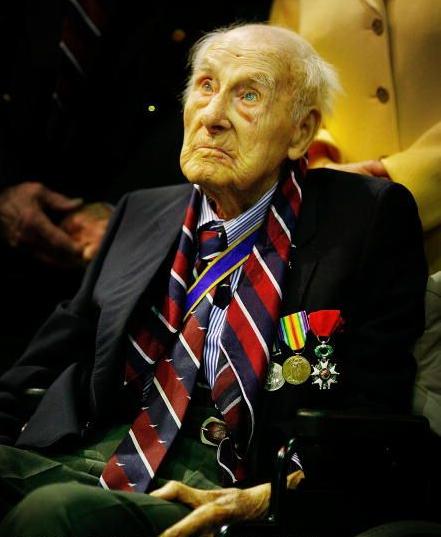
Saying Goodbye to All That
King and Country:
The 250th Anniversary of the Battle of Minden
King's College:
Crosses Return to the Columbia Crown
Lord Salisbury:
An interview with the 7th Marquess of Salisbury
Queen's Commonwealth:
Quaint historical relic or meaningful bloc?
Queen's Prime Minister:
Chrétien's perplexing gong
Why Ma'am Must Stay:
The
New Statesman is foaming at the mouth
Happy We-Should-Restore-The-Monarchy-And-Rejoin-Britain Day!
CinC:
The Queen's Broadcast to Her Armed Forces around the World
Elizabeth Cross
follows a tradition that started with Crimean War
Dominion Day:
Canada was an act of divine loyalty
LOYAL SUBJECT:
A GOOD DAY IN CAPE TOWN
The "Whaddever Monarchy":
A Prince and his indulgent public
English Constitution:
A written constitution is not the answer
Rest in Peace:
Roméo LeBlanc, former governor general, dies at 81
Prince of Wales:
Who, apart from the Prince, speaks up for beauty?
Queen's Prime Minister:
New Zealand restores Queen's Counsel
Why I accepted my OBE:
Radical feminist Marxist accepts "cruel imperial order"
On Lord Loser:
Modernist architects carry on where the Luftwaffe left off
The Puissant Prince:
Thanks to Prince Charles for meddling
"It's our republic"?
It's our monarchy, not a dance with republican elites
Grand Old Duke:
Happy 88th Birthday to Prince Philip, the Duke of Edinburgh
Warner:
It is time for the Queen to dissolve Parliament.
Royal Fix:
Prince Charles resolves diplomatic impasse.
Not Amused:
France admits snubbing the Queen.
Useless Monarchy?
Prince Charles is taking on the starchitects...and winning.
Vice-Regal Salute:
Governor General of Canada least boring vice-regal ever
Loyal Subject:
For genuine patriots pride in the monarchy is fundamental
Cranmer:
The Mother of Parliaments has become a whorehouse of ill-repute
Poet Laureate:
Will ignore royal events if they don't inspire her
Grand Old Duke:
The longest-serving royal consort in British history.
Keep our Feudal Failsafes:
Monarchy is not a game of 'fair'
Farewell to Helen Clark:
"I deeply detest social distinction and snobbery"
Eco-Monarchy:
A not completely irreverant look at the future King
Voyage Through the Commonwealth:
World cruise around the faded bits of pink.
The Equality Bill:
A real nasty piece of work by the Lord Privy Seal
Laughter from the Gallery:
Canada's a Republic, claim Australian politicians.
Peter Hitchens on America:
Canada and America, two ideas of how to be free.
Let's Not:
If the disappearance of newspapers is inevitable, let's get on with it.
Strange Bedfellows:
No friend of monarchy, but...we admired the good bits
King Harper:
A Parliament of Potted Palms.
Keep our Feudal Failsafes:
Monarchy is not a game of 'fair'
Gentleman Royalist:
Theodore Harvey is baptised an Anglican
Farewell to Helen Clark:
"I deeply detest social distinction and snobbery"
Republican humour:
Keeping monarchy means we don't have confidence
Eco-Monarchy:
A not completely irreverant look at the future King
Catholic Tory:
Amend the Act of Settlement - but not yet
Why you should still read
The Guardian:
Let's hear it for mad monarchy
Reform the Monarchy?
Let's wait another century, says Lord Rees-Mogg
Not Amused:
Mr. Rudd, and his totalitarian certainty
Irish Blues:
Ireland out in the cold over British Monarchy debate
Act of Settlement:
Here's a Tory view, and
here's a Whig view
Lord Black:
The magnificent absurdity of George Galloway
Vice-Regal Saint:
Remembering Paul Comtois (1895–1966), Lt.-Gov Québec
Britannic Inheritance:
Britain's legacy. What legacy will America leave?
Oxford Concision:
Daniel Hannan makes mince meat of Gordon Brown
Commonwealth Voyage:
World cruise around the faded bits of pink.
"Sir Edward Kennedy":
The Queen has awarded the senator an honorary Knighthood.
President Obama:
Hates Britain, but is keen to meet the Queen?
The Princess Royal:
Princess Anne "outstanding" in Australia.
H.M.S.
Victory:
In 1744, 1000 sailors went down with a cargo of gold.
Queen's Commonwealth:
Britain is letting the Commonwealth die.
Justice Kirby:
His support for monarchy almost lost him appointment to High Court
Royal Military Academy:
Sandhurst abolishes the Apostles' Creed.
Air Marshal Alec Maisner, R.I.P.
Half Polish, half German and 100% British.
Cherie Blair:
Not a vain, self regarding, shallow thinking viper after all.
Harry Potter:
Celebrated rich kid thinks the Royals should not be celebrated
The Royal Jelly:
A new king has been coronated, and his subjects are in a merry mood
Victoria Cross:
Australian TROOPER MARK DONALDSON awarded the VC
Godless Buses:
Royal Navy veteran, Ron Heather, refuses to drive his bus
Labour's Class War:
To expunge those with the slightest pretensions to gentility
100 Top English Novels of All Time:
The Essential Fictional Library
Royal Racism?
Our intellectually febrile self appointed arbiters of modern manners
The Story of Bill Stone, RN:
"Contented mind. Clean living. Trust in God"
Bill Stone:
Last British veteran of both world wars dies
Reverse Snobbery:
"Prince William and Harry are not very bright"
Poet Laureate:
The English-Speaking Peoples need a poet laureate
Prince Harry:
Much Ado about Nothing
H.M.A.S.
Sydney:
Australia seeks answers to its worst naval disaster
BIG BEN:
Celebrating 150 Years of the Clock Tower
Winnie-the-Pooh:
Canada's famous bear, Winnie (Winnipeg), to be published in a sequel
Not Amused:
Traditional fairytales are not politically correct enough for our children
The British Empire:
"If you were going to be colonized, you wanted to be colonized by the British"
Gross Constitutional Impropriety:
Without mandate for change, plebiscites work to undermine the system
2008 ARTICLES
Count Iggy:
Michael Ignatieff takes the reigns of the LPC
Lord Black of Crossharbour:
Harper and Ignatieff promise a rivalry for the ages
Strange Bedfellows:
The monarchy is safe from this republican
Fount of Dishonour:
The growing distinction of remaining an unadorned Mister
Republican Poet:
Colby Cosh on that mute inglorious Milton
Church of England:
The Conservative case for the Established Church of England
Liberal Secular Scrooges:
A Blight on the Festive Landscape
Fount of Honour:
The Queen's New Year Honours List
Act of Settlement:
the last brick in a crumbling wall, by Philip Lardner
What next, Mr. Hannan,
the conservative case for disestablishing the monarchy?
Hair to the Throne:
Prince William's beard is fit for a King.
Canada's House of Lords:
Why reforming the Senate is profoundly unwelcome.
Someone who gets it:
The proper relationship between liberty and democracy.
More Pseudo Democracy:
Keep on voting until you get it right.
Royal Christmas:
Queen's Christmas Message still trumps seasonal schedule.
Archbishop Williams:
A 'certain integrity' to a disestablished Church of England.
Loyal Subject:
Debunking the antimonarchist claims of
The Economist.
Royal Prerogative:
Grand Duke says no to legalised
murder assisted suicide.
Lord Iggy:
The Nobleman versus the Doberman
It's Over:
the day, the decision, the crisis, the coalition, and Dion’s leadership
Loyal Subject:
Speak out Charles, our teenage politicians never will
Prince Charles at 60:
60 Facts About HRH, Prince Charles of Wales
Remembrance Day Hymns:
O Valiant Hearts;
Abide With Me
For Liberty and Livelihood! Duke of Norfolk leads hunt protest ban
Keating Remembers:
"I have never been to Gallipoli, and I never will"
John Cleese a Republican?
An anti-monarchist rant worthy of Monty Python
Balfour Declaration:
The precursor to the Statute of Westminster
Beaverbrook's Grandson:
SAS Major Sebastian Morley resigns in disgust
"His Mightiness":
Yanks and the royals; the Eagle and the Crown
England Expects:
The Hero of Trafalgar at 250
Harper and Howard:
An embarrassing example of Anglosphere Unity
Crowning Insult:
Labour's legacy will be its destruction of the monarchy
Her Excellency:
An Interview with Governor-General Quentin Bryce
Age of Oversensitivity:
Churchill wouldn't stand a chance in Canadian election
William of Wales:
Prince chooses RAF career over that of a 'working Royal'
Australia's Loyal Opposition:
Republican Turnbull now on Queen's side
Loyal Subject:
The Age of Elizabeth II, by A.N. Wilson
Tory Icon?
Daniel Hannan says British Tories should follow Stephen Harper
Chasing Churchill:
Around the world with Winston
Her Majesty The Queen -
A Life in Film
The Crown in Oz:
Australia swears in first female governor-general
Lèse majesté?
The Royal Australian Institute of Architects drops the 'royal'
Rest In Peace:
David Lumsden of Cushnie (1933-2008), President of the 1745 Assn.
Monarchies Rule:
Prominent Australian republican says monarchies are the best
Sir Don Bradman:
Oz remembers The Don, the greatest cricketer batsman of all time
Padre Benton:
The Living Tradition in Piddingworth
"Stodgy anachronism"
More moist, vapid effusions from the Diana cult
Drool Britannia:
London Summer Olympics 2012
Taki the Aristocrat:
Unrepentedly wealthy and well mannered
Wanted: Uncorker
Message in a bottle faster than Royal Mail
The Other St. George:
Will Georgia restore its monarchy?
Gentlemen's Clubs:
The Great Club Revolution of New York
The Laughing Cavalier:
What an utterly absurd article
Health unto His Future Majesty:
"Royalty dares to challenge the New Order"
"Grace, Your Grouse!"
Better to kill a fellow gun than wing a beater
Boys will be adventurous:
To Ulaanbaatar by London cab
A King's Breakfast:
A trenchant defence of the full English breakfast
Republican beer:
Forget Coopers, support Fosters
Trafalgar Square:
Sanity prevails on the fourth plinth
The Empire Builder:
How James Hill built a railroad without subsidies
"Harvard was not amused":
Alexander Solzhenitsyn, 1918–2008
Greatest Briton:
Wellington is "greater than Churchill"
Death of the Necktie?
A well-tied tie is the first serious step in life
Not Amused:
The next Chief Justice of Australia to be a republican
Royal New Zealand Air Force:
God Save N.Z. from the Cannibals
Why English Pubs are Dying:
The totalitarian smoking ban.
Swooning over Princess Obama:
A Coronation or the Second Coming?
Dreams of an Academic:
Gough Whitlam to have the last laugh?
Joshua Slocum meet President Kruger:
Yet another reason to love the Boers
Changing of the Guard:
Annual Inspection at Rideau Hall
H.M.S.
Iron Duke:
A Foe for William and Sea Room
Fountain of Honour:
Australian pop star gets Order of the British Empire
DOMINION DAY:
Read David Warren's Lament for a Nation
Kiwi Tribalism:
Sealords, Treelords, what are New Zealanders coming to?
Of Queen and Country:
John Elder disects the current state of monarchy in Oz
Not Amused:
The Olympic Games trump Buckingham Palace
CMR Returns:
The Royal Military College of St. John
Hereditary peers
overwhelmingly rejected the Lisbon Treaty
Archbishop Cranmer:
Royal Assent given to the Treaty of Lisbon
Crown Commonwealth:
Referendum confirms Her Majesty as Queen of Tuvalu
Duke of York:
Prince Andrew Visits Troops in Afghanistan
Treaty of Lisbon:
A Litmus Test for the British Monarchy
The Queen and I:
The man who caused royal kerfuffle gives view of the monarchy
HMS
Ontario sunk in 1780,
found intact! at bottom of Lake Ontario
Hold the Lime, Bartender:
Only lemon properly complements a gin and tonic
Elizabethans Down Under:
Are most Australian monarchists merely "Elizabethans"?
Edwardian Gentleman:
What To Do When You Find a Hohenzollern in Your Study
Hooray for Kid's Day!!
Melbourne newspaper won't come of Age
Unhappy Kingdom:
Why Liberal Democracy is Failing Us
Knightless Realm:
The world yawns as John Howard is made an AC
Scots Tory:
Bring Back the Stiff Upper Lip, says Gerald Warner
HMY Britannia:
Let's lay the keel for a new royal yacht
For Queen, Country and Low Pay:
PM pledges to do better
Maple Leaf republic?
Roger Kimball's sleight of hand (since corrected!)
Queen's Birthday:
New Zealand unveils new Vice-Regal Standard
Prince Charming:
Quebec author calls Canadian G-G a "negro queen"
The Senior Service:
Sub-Lieutenant Wales to take on Pirates of the Caribbean
Crown of Disenchantment:
What does it require to withhold royal assent?
Colonial Mentality:
Key republican thinks Victoria Cross is a colonial relic
The Red Baron:
Billy Bishop, not Mannock, was the British Empire's top ace
Which Scots conservatism:
Unionist or Nationalist?
Loyal Subject:
After all she has done, we owe the Queen our oath
Victoria Day – Fête de la Reine:
Official B'day of the Queen of Canada
Renaming the Victoria Day Weekend:
Let's get rid of Heritage Day Bob
Pro Valore:
Canada mints its own Victoria Cross in time for Victoria Day
State Visit to Turkey:
Mustafa Akyol says God Save the Queen, Indeed
Norn Iron Unites:
What issue is uniting all parties of Northern Ireland?
Extreme Loyalist:
Michael Stone attempted to slit the throats of Adams and McGuinness because he just "can't handle" republicans being in government.
Canada's Vice-Regal
dubbed an elegant mix between Lady Di and Nelson Mandela
Queen of Australia:
Support for Australian republic hits new low
A Heroes Welcome:
The Windsor Castle Royal Tattoo, 8-10 May 2008
Fat, Vile and Impudent:
Alan Fotheringham is back on the bottle
The Devine Right of Bling:
Our Royals have become hereditary celebrities
Battle of the Atlantic:
Canadians remember the longest battle of WW2
Old Etonian Toff:
Boris Johnson installed as Tory Mayor of London
Britain needs a Patron Saint:
Cry God for Harry, Britain and St. Aiden?
Anglos in Mont-Royal:
Rooting for the Montreal Canadiens
Daniel Hannan:
Borders of the Anglosphere and the British Empire was a mistake
Australia 2020:
One Big Fat Republican Con Job
Bye bye Tommy:
O it's Tommy this, an' Tommy that, an' "Tommy go away"
For what shall it profit a man,
if he shall gain the whole world, and lose his own soul?
Carpetbaggers Down Under:
Kevin 'Mugabe' Rudd wins 98.5% support for republic
Kipling:
The Jeremiah of Empire and the Poet Laureate of Civilisation
Duke of Edinburgh:
Behind the gaffes is a man of real sincerity
Lord Rutherford:
The Father of the Atom lives on in great great grandson
Queen of Australia:
Royalty Protects us from Tyranny, David Barnett
Long Live the Broadsheet!
Norumbega, more traditionalist than the Pope.
A Tale of Two Countries:
Soldiers of Britain and Canada serve the same Queen but...
Loyal Subject:
Polishing the Royal Crown, Matt Bondy & Brendon Bedford
Devoted to the End:
Obituary of Sir Phillip Bridges
The Monarchist does not recognize the Republic of Kosova
Loyal Subject:
MPs Ruse Defeated; God Save the Queen!
St. Paddy's Day:
Edmund Burke, the greatest Irishman who ever lived
Not Amused:
The Bunkum of Timothy Garton Ash
Hero Harry:
Rave Reviews across the Commonwealth
Patriot Prince:
Prince Harry fought for us all, Charles Moore
William F. Buckley, RIP:
He had a Tory gratitude for the pleasures of life
Their Lordships' Duty:
The House of Lords can influence the Lisbon Treaty debate
Knights of Oz:
Revive Sirs or I'll have your guts for garters
Peter Hitchens:
People love the Queen...and the BBC hates us for it
Our Greatest Monarch:
Paul Johnson says Henry V was our greatest monarch
Princess Diana Inquest:
A Dirty Raincoat Show for the World
Malcom Turnbull:
'Queen's death will spark republican vote'
Duke of York:
The Royals are not "stuffed dummies". They should have their say
Peers of the Realm:
The decline and fall of the House of Lords - Charles A. Coulombe
Peter Hitchens:
Get rid of the monarchy and you will get rid of a guardian of liberty
THE FALL OF CHURCHILL
Honouring Sir Edmund Hillary
The Queen versus an E.U. President
Going Solo:
Prince William earns his Wings
James C. Bennett:
The Third Anglosphere Century
Knights of Oz: Revive Sirs or I'll have your guts for garters
Princess Diana Inquest:
A Dirty Raincoat Show for the World
Malcom Turnbull:
'Queen's death will spark republican vote'
Future Peer: The life and times of Lady Victoria Beckham
Peers of the Realm:
The decline and fall of the House of Lords - Charles A. Coulombe
Peter Hitchens: Get rid of the monarchy and you will get rid of a guardian of liberty
2007 ARTICLES
New York Times:
Ever Backwards into the Royal Future
Peter Hitchens:
People love the Queen...and the BBC hates us for it
Christopher Hitchens:
An Anglosphere Future
Andrew Cusack:
Republicanism is a traitor's game
DIAMOND WEDDING ANNIVERSARY
Courageous Patrician:
Rt Hon Ian Douglas Smith (1919-2007)
The Last Rhodesian:
What began with Rhodes and ended with Ian?
Gentleman Journalist:
The Lord Baron W.F. Deedes, 1913-2007
Not Amused:
Blair's sinister campaign to undermine the Queen
Loyal Subject:
Queen Elizabeth: A stranger in her own country
Reverence Deference:
Bowing and Scraping Back in Tradition
Rex Murphy:
Kennedy, Churchill, Lincoln - The rousing bon mot is no more
Gerald Warner:
Don't shed a tear for Diana cult in its death throes
The End of Grandeur:
Rich, chincy Canada puts Strathmore on the blocks
Confessions of a Republican Leftie:
"The Queen charmed the pants off me"
The King's Own Calgary Regiment:
Cpl. Nathan Hornburg is laid to rest
The Royal Gurkha Rifles:
Prince William grieves the death of Major Roberts
Queensland Mounted Rifles:
Trooper David Pearce, 41, killed in Afghanistan
The Order of Canada:
100 investitures later, Canada's highest honour turns 40
Prince Edward on Prince Edward Island:
Troop's link to monarchy important
HER MAJESTY THE QUEEN:
Unveils the UK Armed Forces Memorial
Great Britain:
"A rotten borough with a banana monarchy" - by Europhile
FADE BRITANNIA:
THE UNION OF ENGLAND AND SCOTLAND IS OVER - Simon Heffer
Peers of the Realm:
The decline and fall of the House of Lords - Charles A. Coulombe
Remembering 'Smithy': An obituary tour de force by Andrew Cusack
here,
here and
here.
NOT AMUSED: Her Majesty The Queen in Right of Quebec not invited to
Quebec's tercentenary